
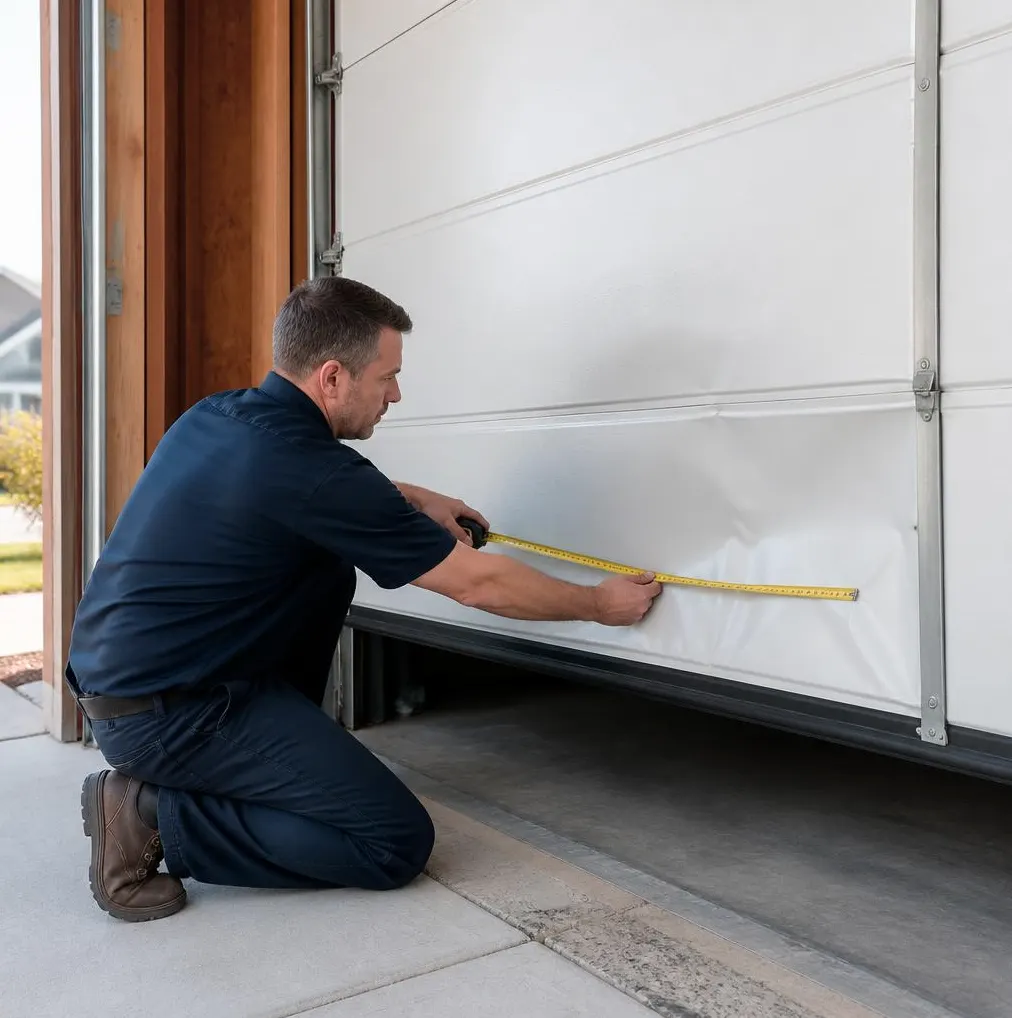
What We See on a Typical Balance Call
Most calls about this start the same way: a homeowner says the opener "seems weaker than it used to be," or the door slams the last foot instead of closing smoothly. When we get there, nine times out of ten the opener is fine. The door is unbalanced, and the motor has been quietly compensating for months. By the time someone notices a slow-closing door or a burning smell near the opener unit, the gears or drive belt are already taking damage. This shows up more in fall and early winter here, because cold temperatures stiffen old lubricant and tighten up metal components right as the door's imbalance is already asking the opener to work harder.
Why Balance Matters More Than People Think
A garage door is supposed to be counterweighted by its springs so it can be lifted with one hand, even without the opener. When a spring weakens, stretches, or rusts from years of winter road salt and humidity, that balance shifts. The opener's motor then has to pick up the slack every single time it runs. Over weeks and months, that extra load wears down the drive gear, strains the circuit board, and shortens the lifespan of an opener that might otherwise last another decade.
Tools You'll Need
- Work gloves
- A flashlight
- A step stool (if your door doesn't have an easy-reach release handle)
- A second person, for safety, if your door is heavy
Step-by-Step: Testing Your Door's Balance
- Close the door completely. Start with the door fully down so you're testing from a controlled position.
- Disconnect the opener. Pull the red emergency release cord so the door is no longer connected to the motor. This is critical — you're testing the door's springs, not the opener's strength.
- Lift the door manually to about waist height. Use both hands and lift slowly and evenly.
- Let go and watch. A balanced door will stay roughly in place, drifting down slowly if at all. An unbalanced door will either drop quickly or shoot upward on its own — both are warning signs.
- Check the full range. Repeat the test at a few different heights (quarter-open, half-open, three-quarter-open). Some doors are balanced at one point and not another, which points to a spring or cable issue rather than a simple adjustment.
- Listen and feel for resistance. While lifting by hand, note any grinding, catching, or spots where the door suddenly feels heavier. That's often a sign of a damaged cable, a worn roller, or an off-track door rather than the spring itself.
- Reconnect the opener once you're done testing, and run the door through a normal cycle to compare how it sounds and moves with the motor engaged versus your manual test.
What a Homeowner Can Safely Do
Everything above — the manual lift test, listening for noise, and a visual check for obvious rust or gaps in the spring coils — is safe for a homeowner to do. You should never touch, loosen, or attempt to adjust the torsion spring itself, or try to add or remove winding cones. These springs are under extreme tension (often hundreds of pounds of force), and they're a leading cause of serious garage door injuries when handled without the right bars and clamps.
What Needs a Technician
If your door failed the balance test, a technician needs to measure the actual spring tension, inspect cables and pulleys for wear, and either adjust or replace the spring system. This also includes any door that's noticeably heavier on one side, since that often points to a cable or track problem hiding behind the spring issue.
When to Call Elkhart Garage Door Solutions
If your door drops fast, rises on its own, or your opener has started straining, grinding, or running longer than it used to, it's worth a service call before winter ice and cold make the problem worse. We offer Spring Replacement for doors that fail the balance test, and Garage Door Maintenance to catch rust, worn cables, and track wear before they turn into an opener failure during a cold snap.
Call Elkhart Garage Door Solutions today to get your door's balance checked before winter sets in across Elkhart, IN.